

 Second of two parts
(Read part 1)
Forming facilitators of discernment in common does not mean merely providing a toolkit of knowledge and skills – the “how-to” and “what-to-do”. Equally important is a “being-kit”, one’s interior disposition and way of being. Called to be synodal, we need to create a culture of discernment in common. One of the key inner dispositions is Ignatian indifference. In the Principle and Foundation, St Ignatius describes indifference as a state of spiritual freedom, a balanced heart free from inordinate attachment to created things, and to desire only that which is conducive to praising, reverencing, and serving God our Lord [SpEx #23].
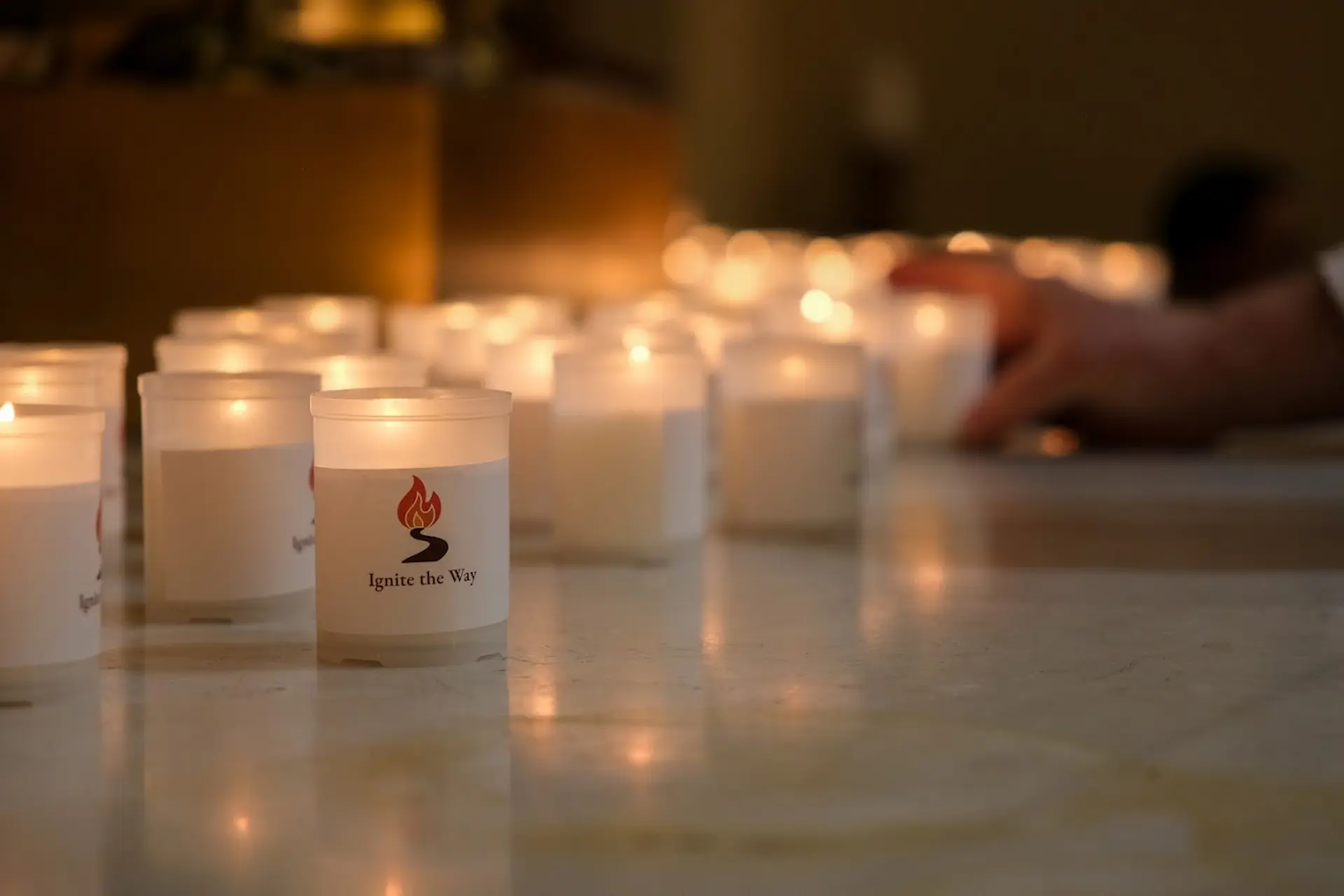
In what way is the image of Church called to freedom? I was struck by the image of a group of small candles. In contrast to a fixed and sturdy lighthouse, small candles are agile and can be moved to light up different corners. A small candle is also fragile and can be blown out easily, but it can be re-lit by another nearby. This image echoed the importance of togetherness. In our unfreedom, when we grow attached to inordinate things, we become immovable, fixed structures. Spiritual freedom, by contrast, allows us to follow the prompting of the Holy Spirit, to connect with others as a community, to go and light up different corners of the world.
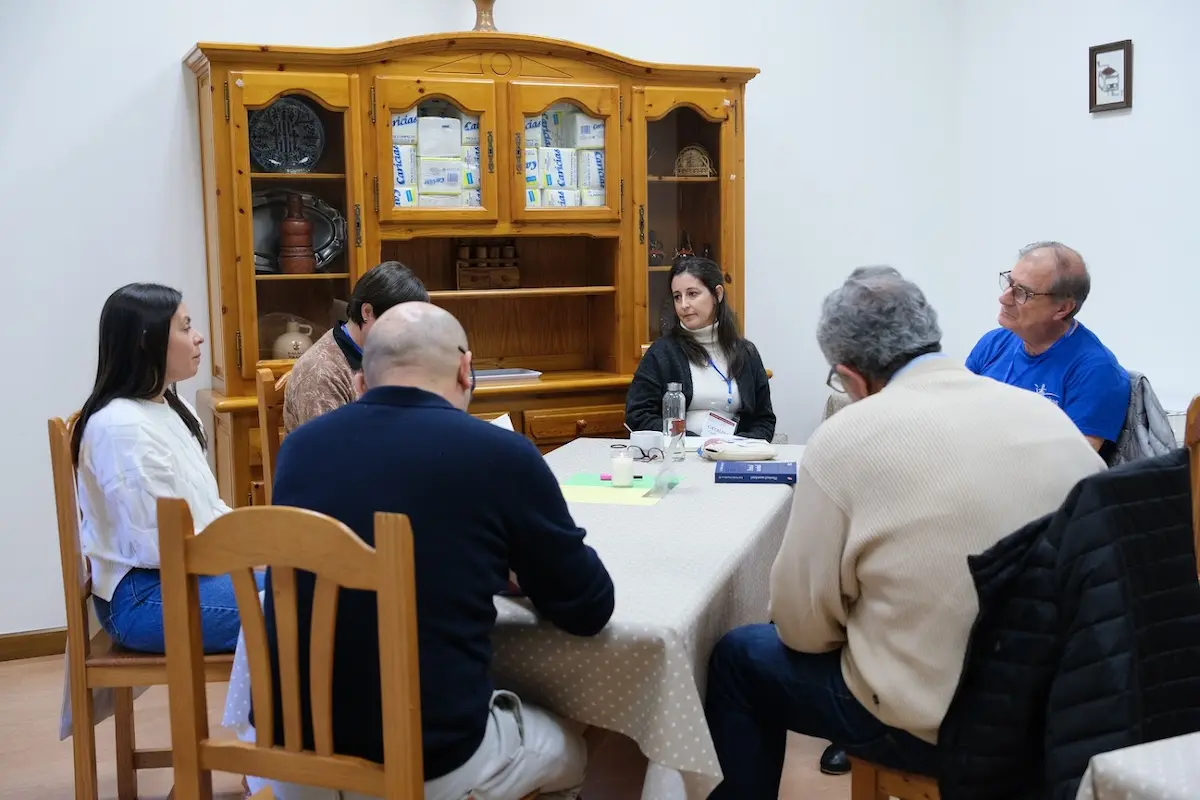 “In my ministry as a facilitator of discernment in common, where do I feel the call to become more indifferent?” In my personal prayer, I contemplated my inner unfreedom as a facilitator and shared with the Lord its source, which lay in my unredeemed past. Assured of being listened to respectfully, and though feeling vulnerable, we were able to share our prayer experiences with one another. By naming our unfreedom, we were somehow set free from our traps. During the third round of spiritual conversation, an image came to me: we were able to turn our wounded hands into an open posture and receive the Lord’s invitation, bringing us freedom that was transcendental and healing.
We did not only discuss communal discernment of spirits, but we also experienced, noticed, discerned, and deliberated. As we moved into different conference groups to discuss the concrete plans for training facilitators of discernment in common, we faced our own realities and challenges.
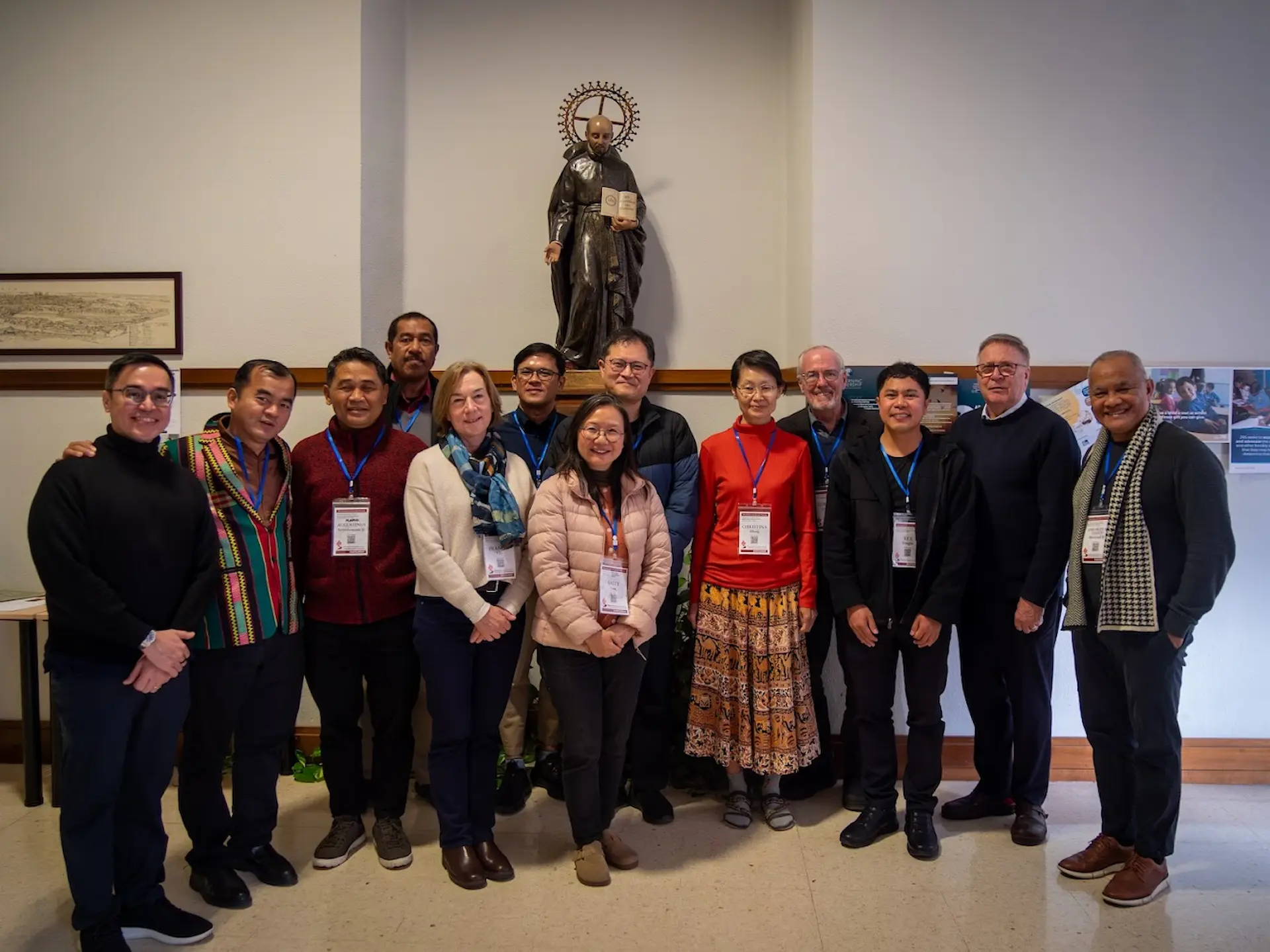
JCAP Delegates
As we shared the different needs of each province and region in our Jesuit Conference of Asia Pacific (JCAP), we felt the tension in trying to respond to them all. The call for silence at that moment was important, as members paused to notice the spiritual movements and listen to the promptings of the Holy Spirit. The group dynamics changed at once as members were able to appreciate the diversity within JCAP. Dr Christina Kheng and Fr James Hanvey SJ, the lead reflectors, raised the importance of discernment of spirits across different groups: the enemy sows antagonism and tempts us with the feelings of enmity due to our differences, whereas the Holy Spirit consoles with the grace of unity and the audacity to take risks together.
The conference ended on 3 December, the feast day of St Francis Xavier. We were sent forth to bring the fruits back to our province, region, and conference. Missioning is not always being sent to a clear future; often, real missioning is being sent to the unknown, with the sentir that the Risen Lord is already there and will encounter us. Together, we shall “Ignite the Way”.