

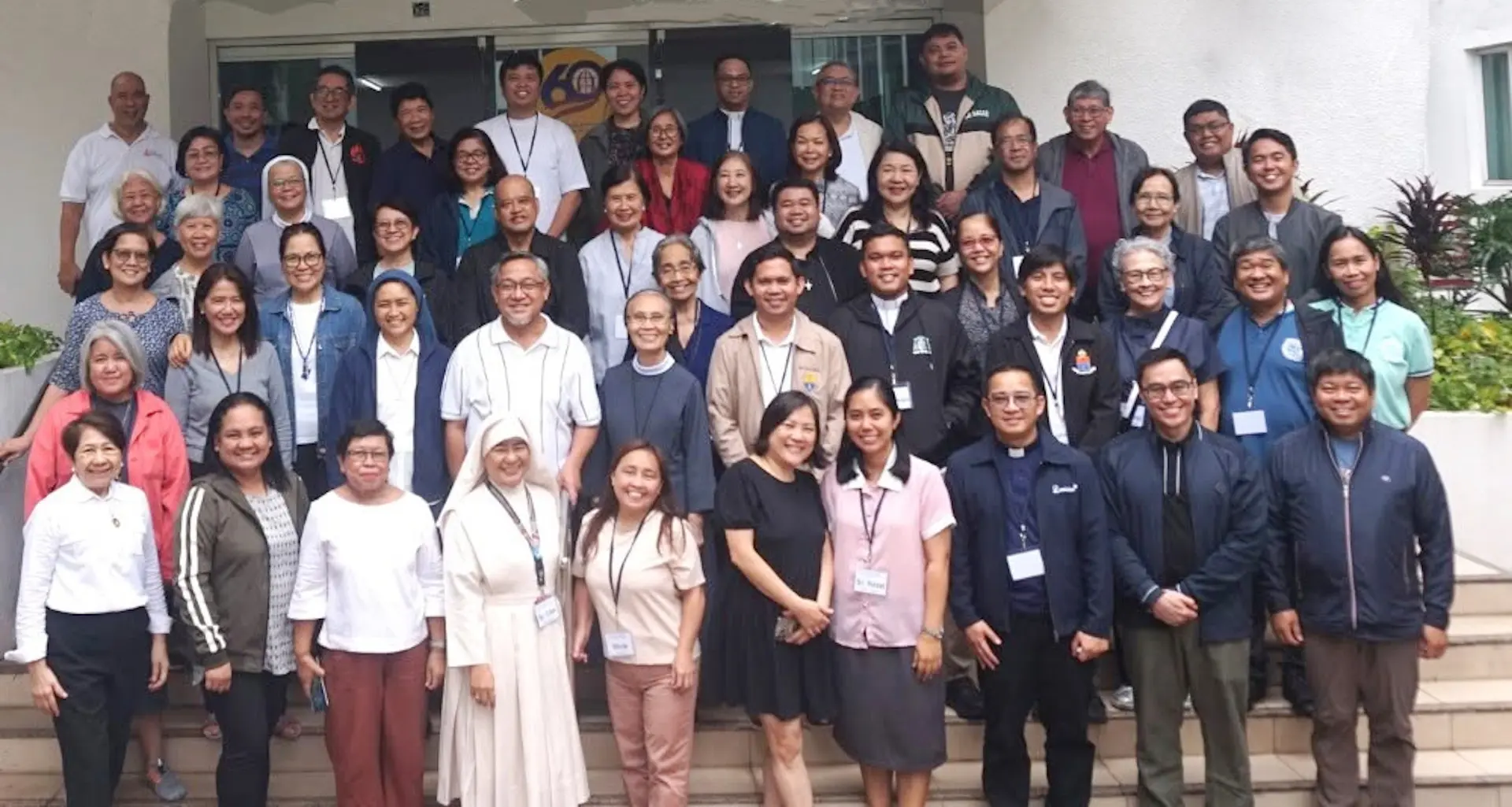
 The Society of Jesus in the Philippines, through its Center for Ignatian Spirituality (CIS), conducted a training for facilitators of discernment in common in early August at the Jaime Cardinal Sin Center of the Loyola School of Theology.
The four-day programme drew 52 participants, including Church leaders from various dioceses in Metro Manila and neighbouring provinces, some members of Synodal teams, trans-parochial communities, religious orders, and lay organisations. Designed to foster deep communal listening, the training focused on recognising the movement of God within shared life and mission. Ultimately, it highlighted the vital need to integrate Ignatian spirituality with the concrete demands of communal decision-making.
At the heart of the programme was a simple but demanding invitation: How do we help communities listen together—not only to one another, but also to the movement of God within their shared life and mission?
Through prayer, presentations, spiritual conversations, workshops, and communal reflections, participants explored discernment in common not merely as a mechanical method for arriving at decisions but as a foundational way of proceeding together. The practice requires a deliberate attentiveness to God, to oneself, to others, and to what may gradually emerge through the collective experience of the community.
As CIS Executive Director, I organised the programme, which was led principally by Salamanca-trained facilitators, JP Villanueva and Fr Roy Ragas SJ. Alongside CIS facilitators who initially accompanied the small groups, the team created an immersive learning environment that seamlessly blended prayer, reflection, practical experience, and communal conversation.
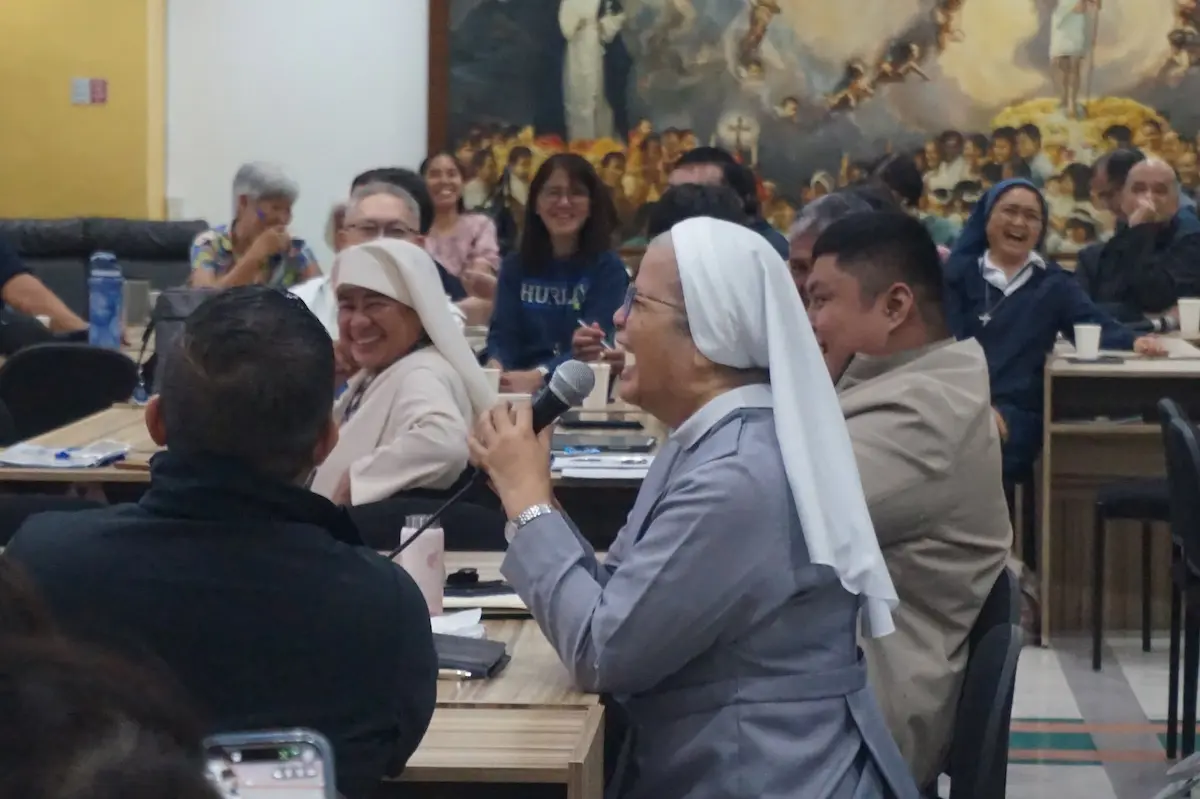 This experiential character resonated strongly in the participants’ evaluation of the programme, which earned an overall rating of 4.74 out of 5. Spiritual conversations, guided workshops, hands-on practice, and structured prayer were repeatedly identified as the most impactful aspects. Reflecting on the experience, one participant realised: discernment is “not just a process but a way of listening to God and to one another.”
This sentiment was echoed by many participants, who spoke of learning to notice interior movements and tensions, honouring diverse perspectives, making room for silent reflection, and creating psychological safety where people could speak and listen with greater freedom.
The training successfully bridged two dimensions that often become polarised: the spiritual depth of discernment and the practical execution of institutional decisions. Participants highly appreciated how Ignatian spirituality was brought into direct conversation with the lived realities of their respective communities, allowing discernment to remain rooted in prayer while actively engaging real-world questions, differences, and choices.
Their recommendations for future iterations revealed a collective desire to dive deeper. Participants expressed a need for more opportunities to practice active facilitation, analyse case studies, prepare prayer points, and navigate groups through inevitable tensions. Many also noted the importance of having greater structural space to pause, reflect, and fully assimilate the heavy learning blocks.
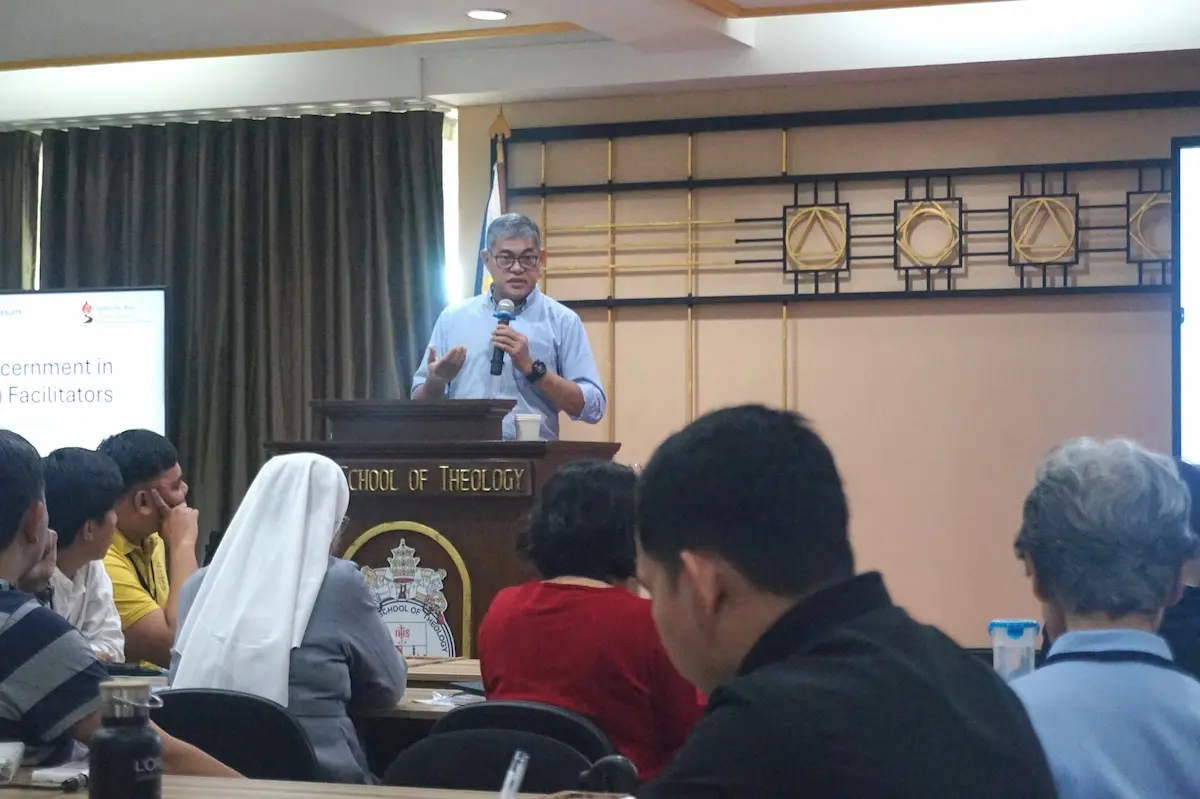 These responses point to an essential truth about the formation of a facilitator: one does not become capable of accompanying communal discernment simply by mastering a sequence of logical steps. The deeper formation lies in how one is present to a group—learning to listen without immediately rushing to resolve, guiding without controlling, noticing without imposing, and trusting that clarity will emerge when a community patiently attends to God together.
Discernment in common, therefore, demands more than technique; it calls for interior dispositions of openness, freedom, humility, patience, and trust. The facilitator’s role is to safeguard the conditions where these virtues can take root, ensuring that the wisdom of the community is never reduced to the loudest voice or the quickest solution.
The four days of training marked a beginning rather than a completion. The true integration occurs as participants return to their fields of labour to share their experience of the programme and accompany their communities within their contexts—discovering through lived experience that discernment is ultimately learned by discerning.
Both the Jesuits in the Philippines and CIS continue to strengthen the capacity of local faith communities to listen more deeply, discern more faithfully, and make choices that flow from a shared search for God’s will. In doing so, the training points toward a larger, transformative hope: that discernment might shift from something communities occasionally do, to the very spirit of synodality by which they live, decide, and carry out their mission together.